
News

geographic atrophy
PRIMA implant offers hope to patients with geogrpahic atrophy
The PRIMA implant has currently only gained approval for use in the European Union but it has received Breakthrough Device and Humanitarian Use Device designations from the Food and Drug Administra...
GLP-1
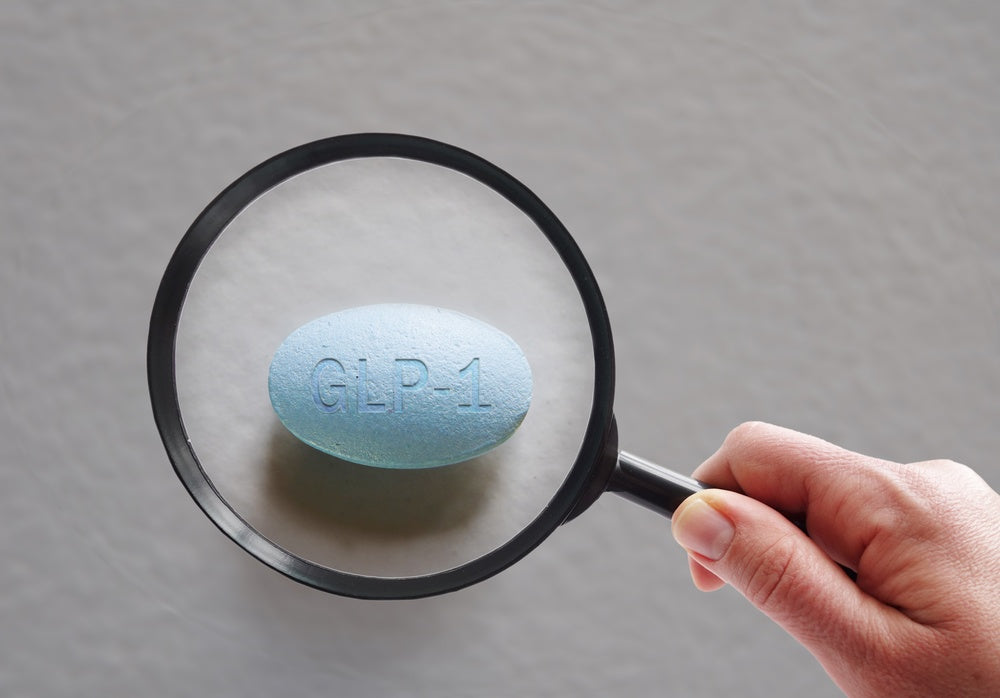
GLP-1 medications linked to increased risk of ischemic optic neuropahty
Ischemic optic neuropathy causes a sudden reduction of blood flow to the optic nerve, which can cause sudden and, in many cases, permanent partial vision loss.

geographic atrophy
Positive clinical trial results of wireless retinal implant
Results of a clinical trial testing a new wireless retinal implant were recently published in the New England Journal of Medicine.

age-related macular degeneration
Stem cell retinal implant enters phase 2b testing
Researchers at the Roski Eye Institute are testing a stem cell retinal implant as a possible treatment for advanced dry age-related macular degeneration.

AMD
New genetic risk linked to severe macular degeneration.
Researchers from the Centre of Eye Research Australia, WEHI and the University of Melbourne discovered specific genetic changes that raise the risk of severe forms of age-related macular degenerati...

cataract removal
Lower fall risk for seniors who have had cataracts removed
Cataracts are the leading cause of vision loss in the United States with an estimated 20 million Americans over the age of 40 dealing with cataracts in one or both eyes.
glaucoma
Biomarkers identified that can predict glaucoma patients' risk of vision loss
Glaucoma affects more than 4 million adults in the United States and it is the leading cause of vision loss in the world. Even with the current treatments available, some patients still lose vision.

age-related macular degeneration
First true vision correction smartglasses have been developed
Soliddd Corporation has developed SolidddVision™ smartglasses for use by people suffering from vision loss due to macular degeneration.

age-related macular degeneration
Overproduction of a protein may hold the key to a cure for AMD
Researchers recently discovered a protein that seems to play a critical role in the onset of age-related macular degeneration (AMD).